Sources, Evolution, and Physicochemical Processes of Air Pollution
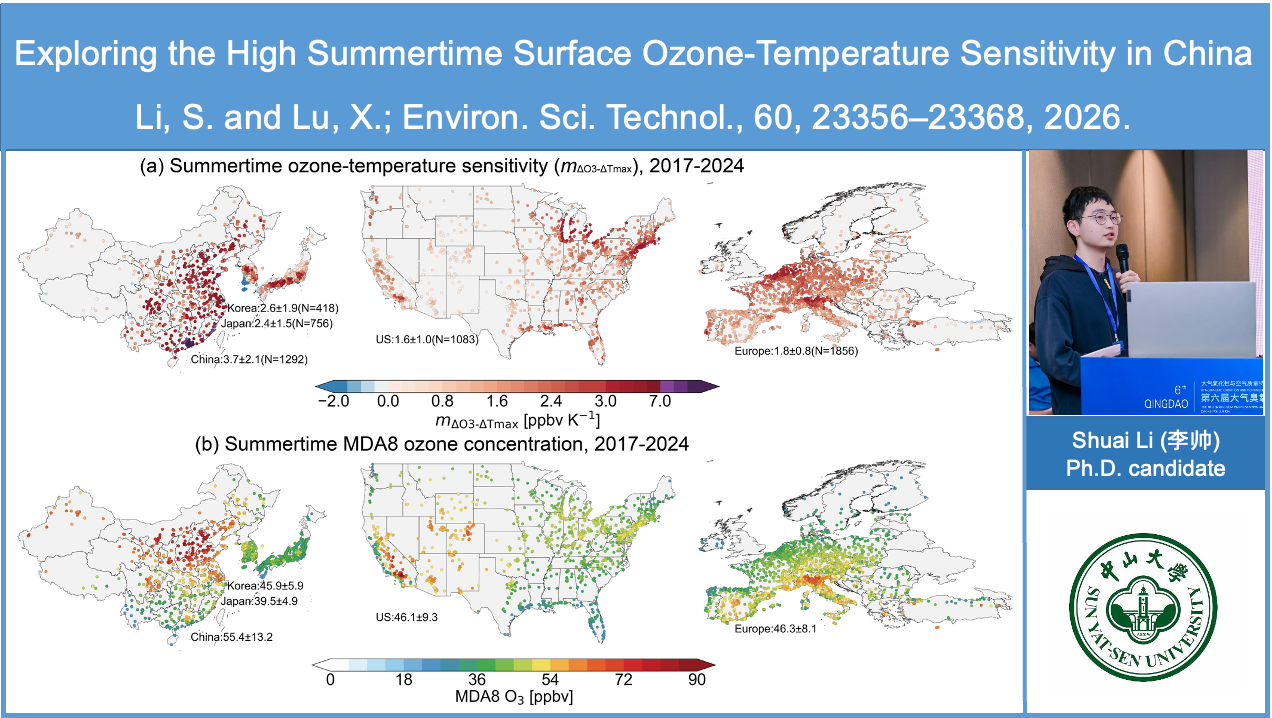
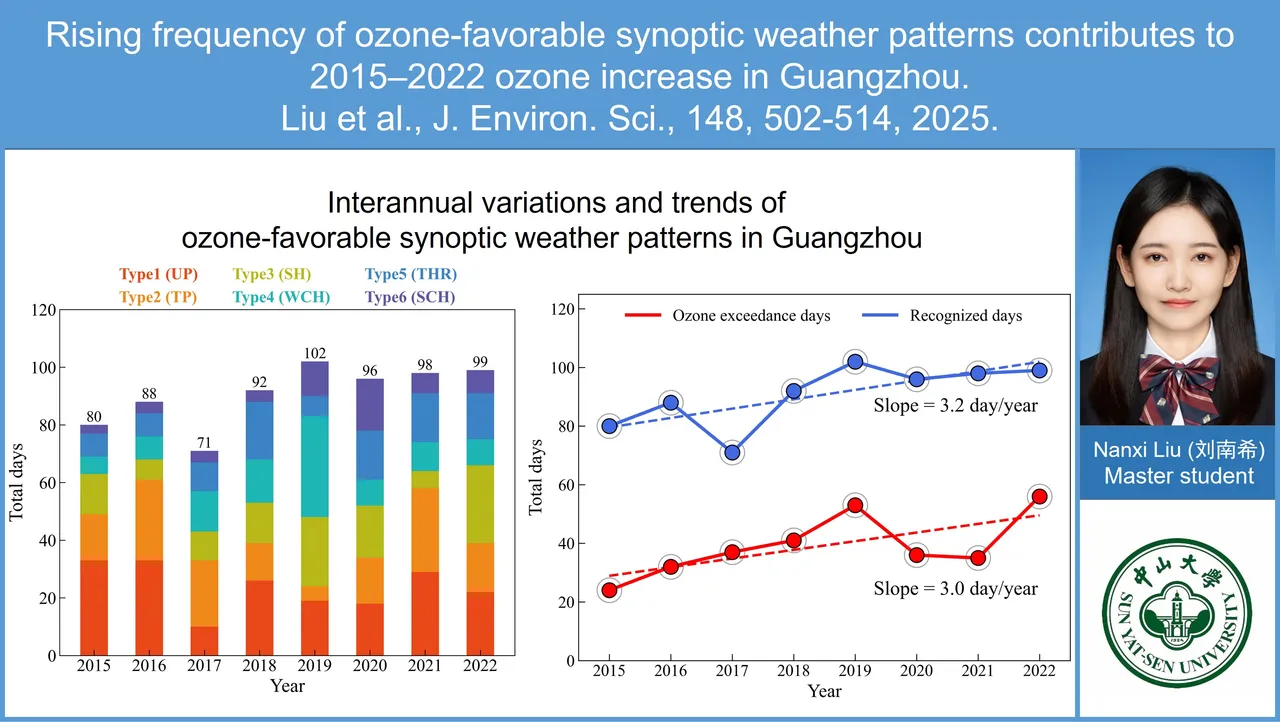
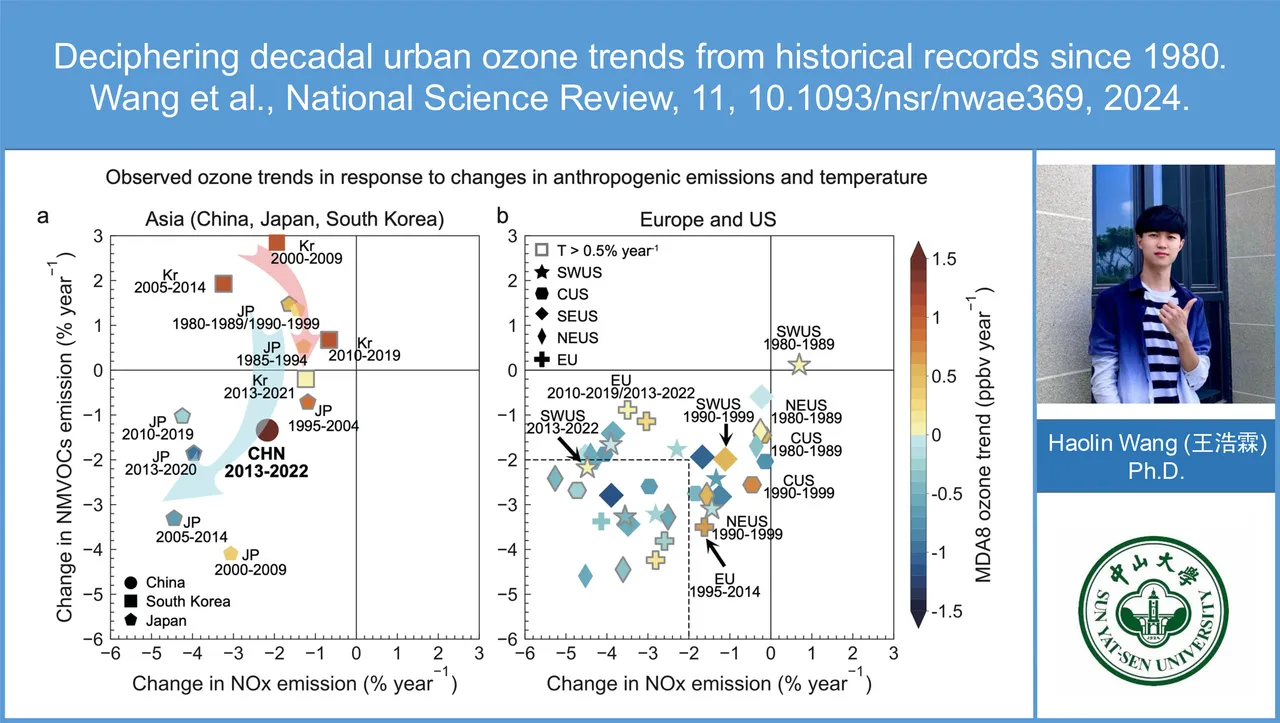
- Trends in Air Pollutants and Atmospheric Oxidation
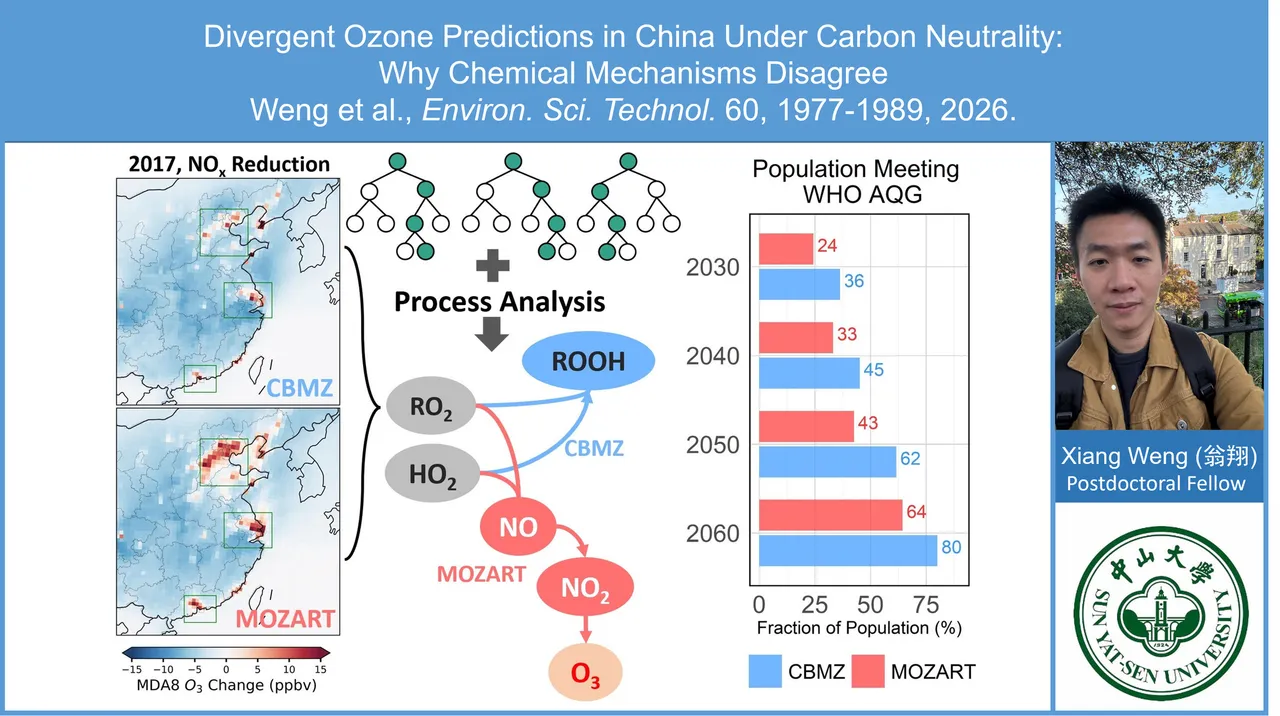
- Natural and Anthropogenic Sources and Chemical Transformation of reactive tracers
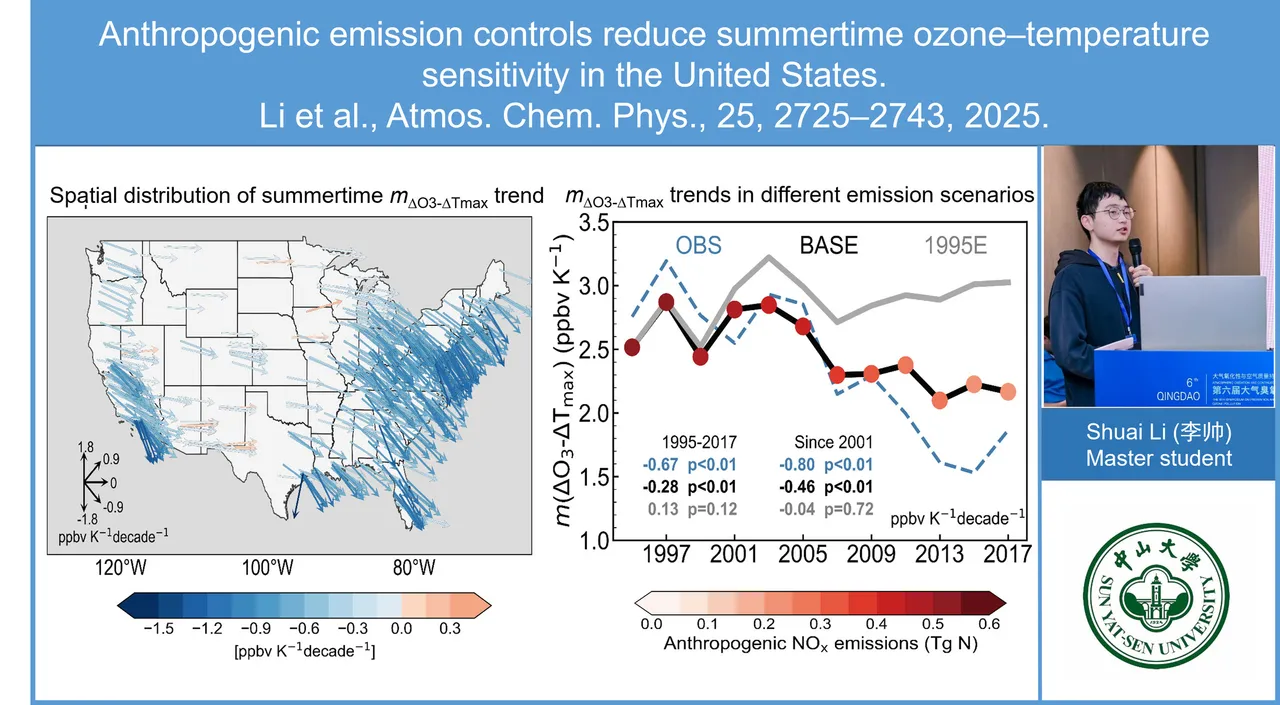
- Meteorological Impacts on Air Pollution

The Atmospheric Chemistry and Earth System Modeling Group conducts numerical modeling research on scientific issues relevant to air pollution, greenhouse gases, climate change, and Earth system evolution.
The group centers on atmospheric chemistry and its interaction with climate, combining observations, satellite retrievals, emission inventories, numerical models, and machine learning to support clean air, greenhouse gas mitigation, and climate action.
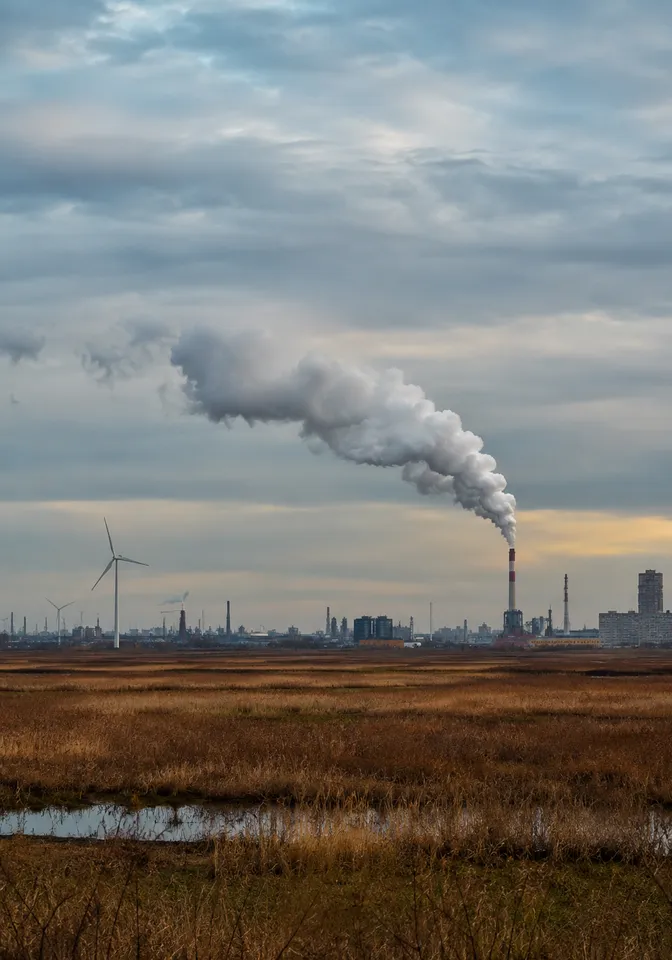
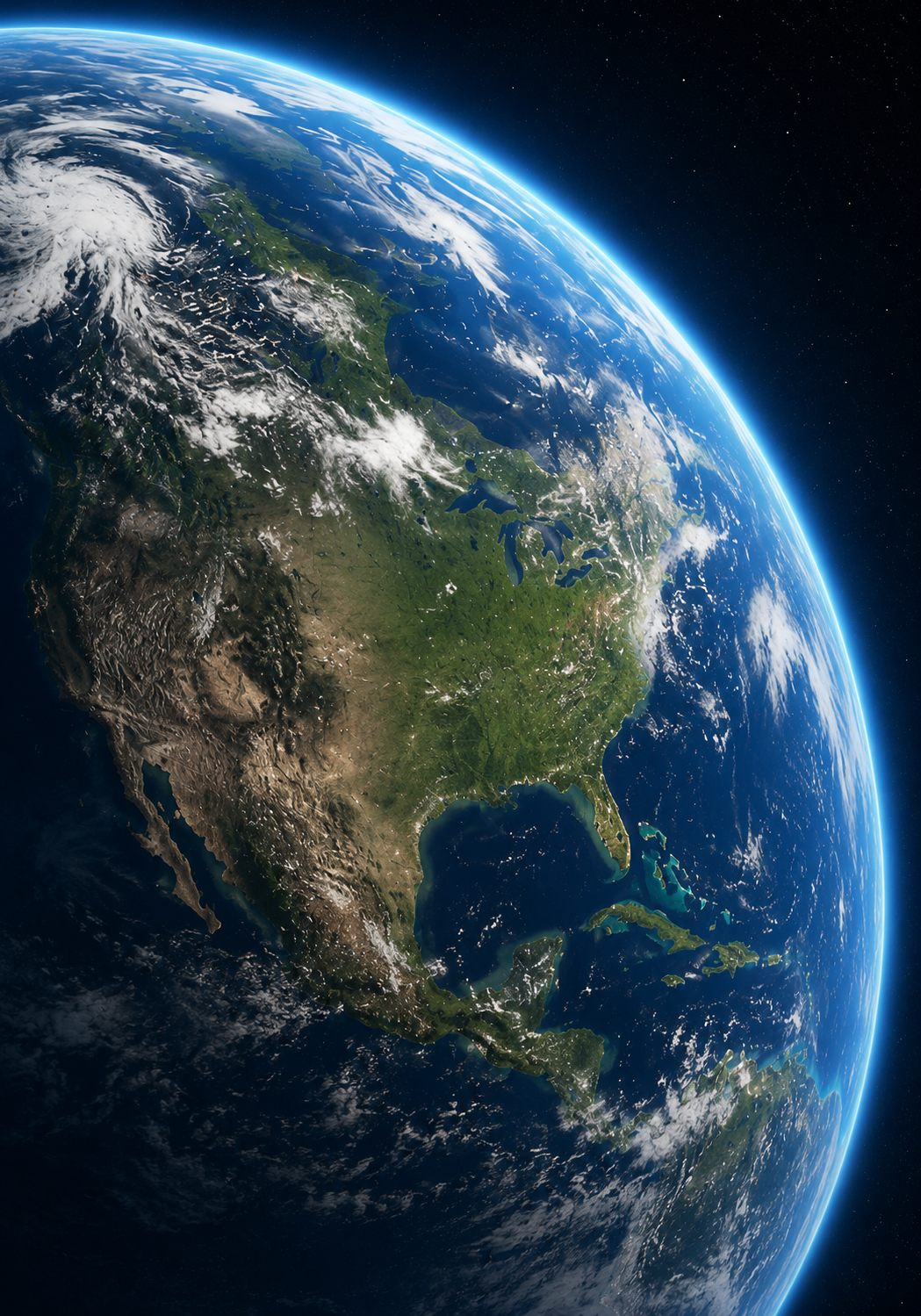
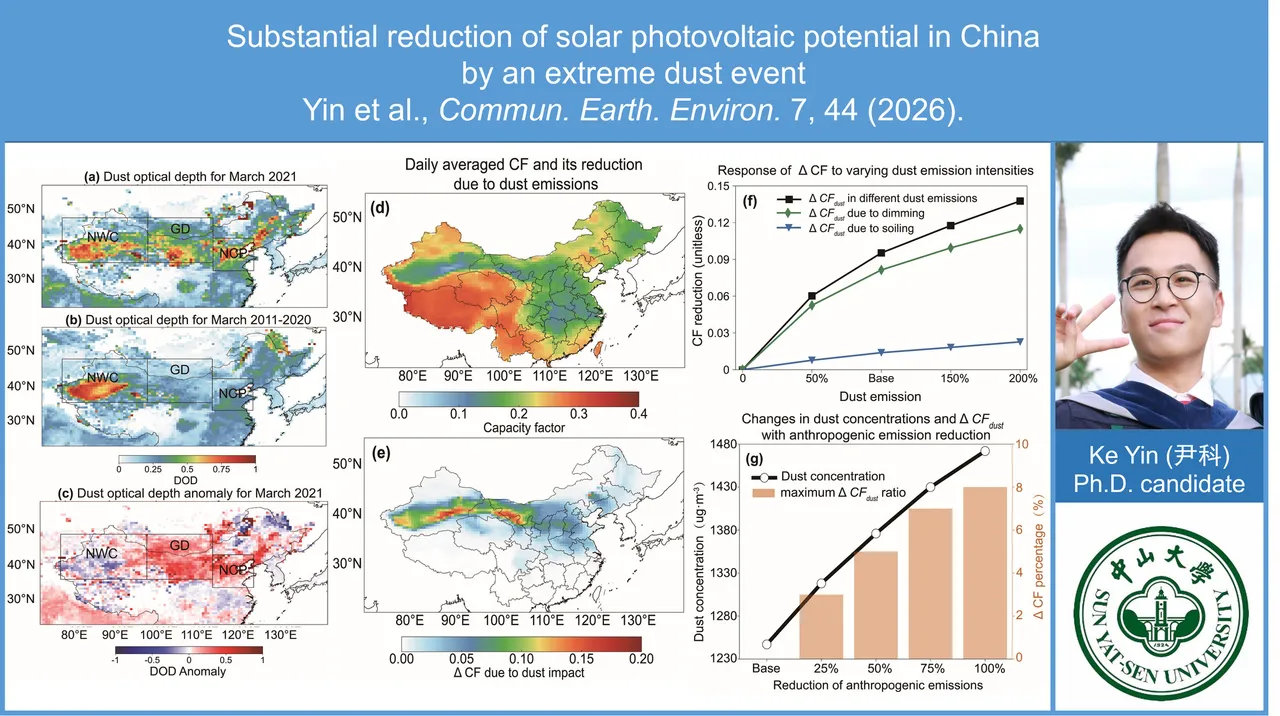
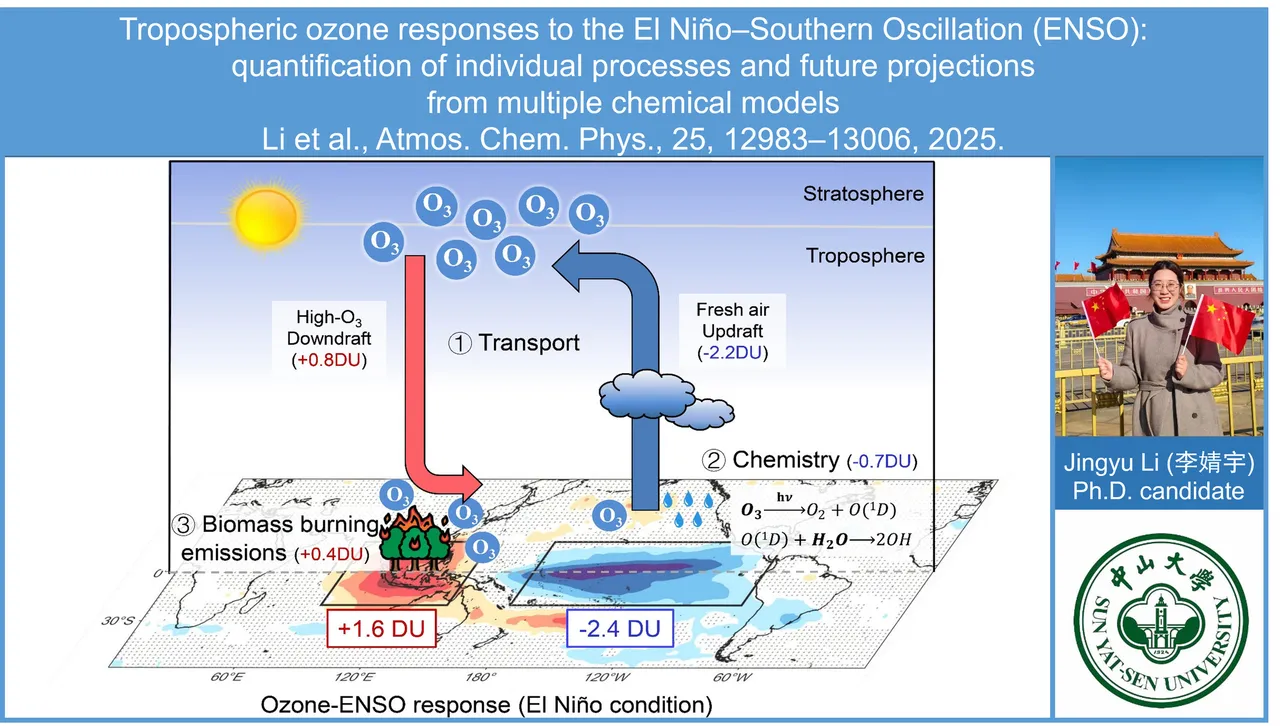
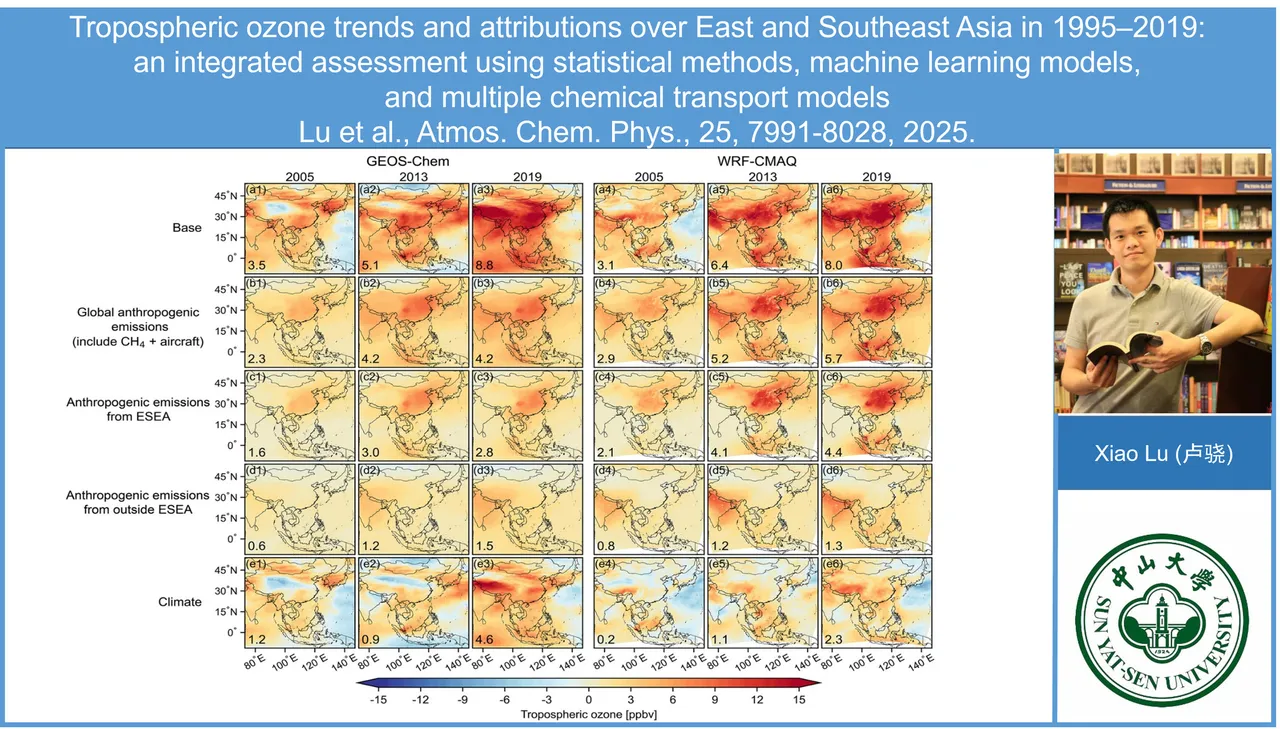
Air pollution, especially ozone and fine particulate matter, remains a major environmental challenge in China and around the world. Pollutants and their precursors undergo emissions, chemical transformation, transport, dispersion, and deposition under changing sunlight, temperature, and meteorological conditions. Our research follows these changes, identifies the human and natural processes behind them, and provides scientific evidence for understanding pollution formation and designing more effective air-quality policies.

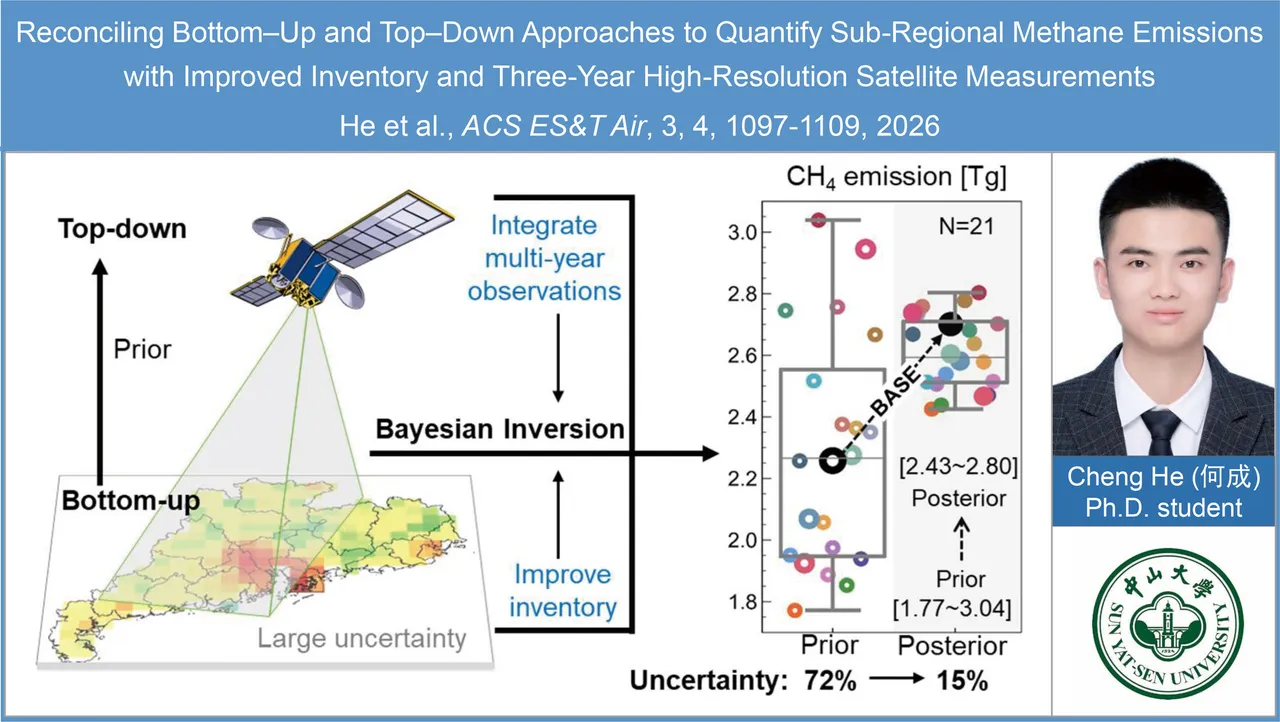
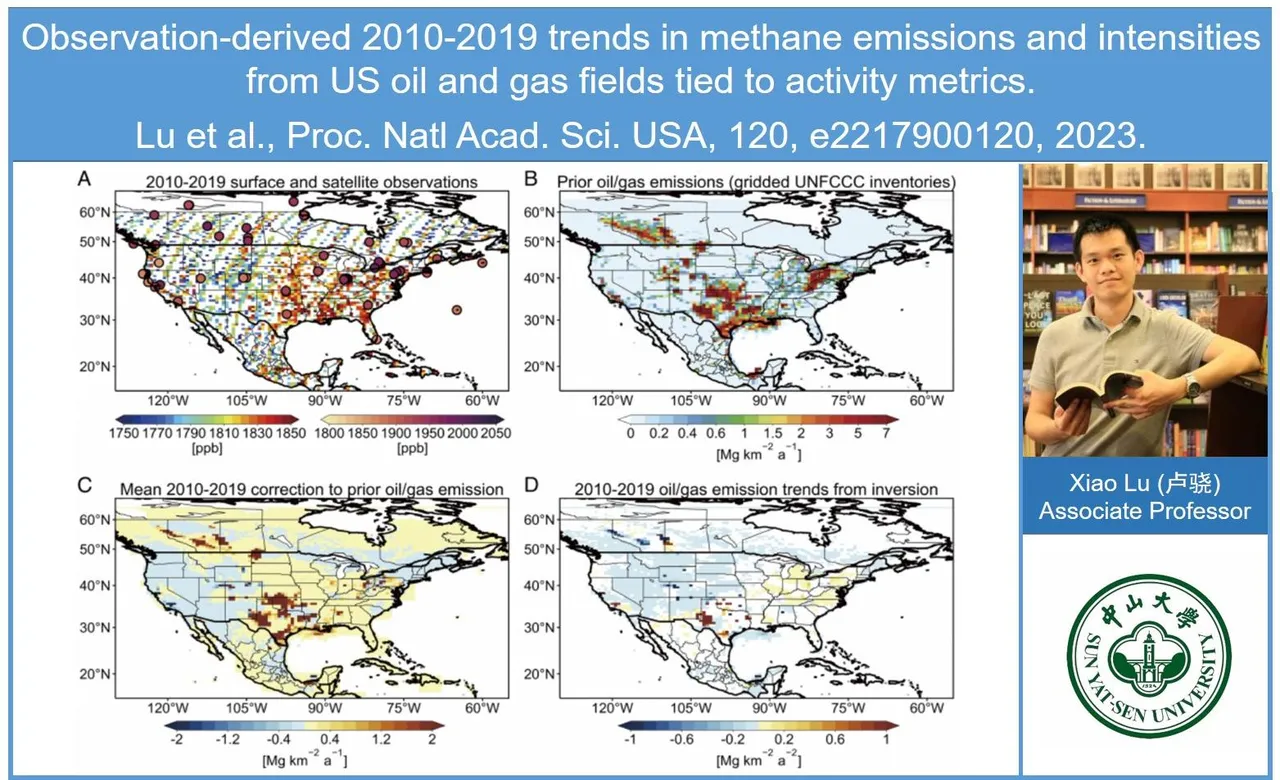
Methane and carbon dioxide are central drivers of global warming. Their atmospheric concentrations have increased markedly since the industrial era, yet diverse sources and uncertain emissions make it difficult to determine how much is released and why concentrations are changing. By tracking atmospheric concentrations with satellites and in-situ observations and inferring emissions with numerical models, we test inventories, identify priority sources, and support more credible carbon accounting and mitigation decisions.

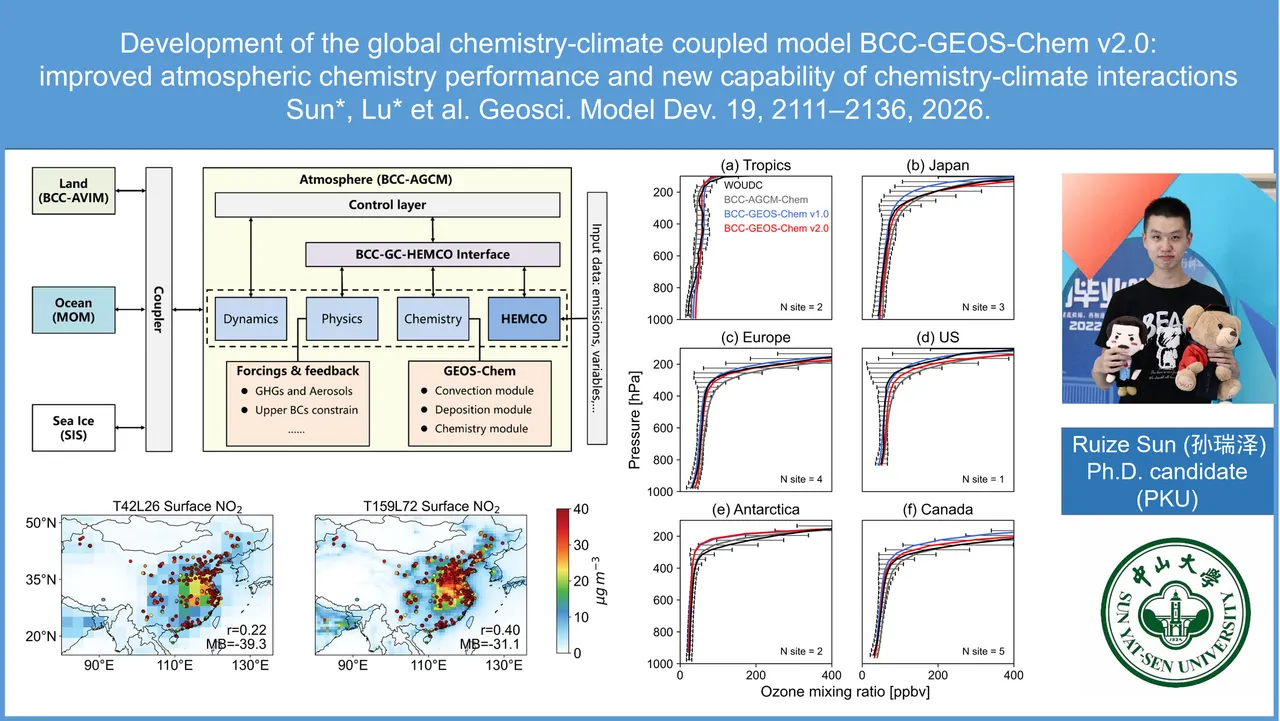
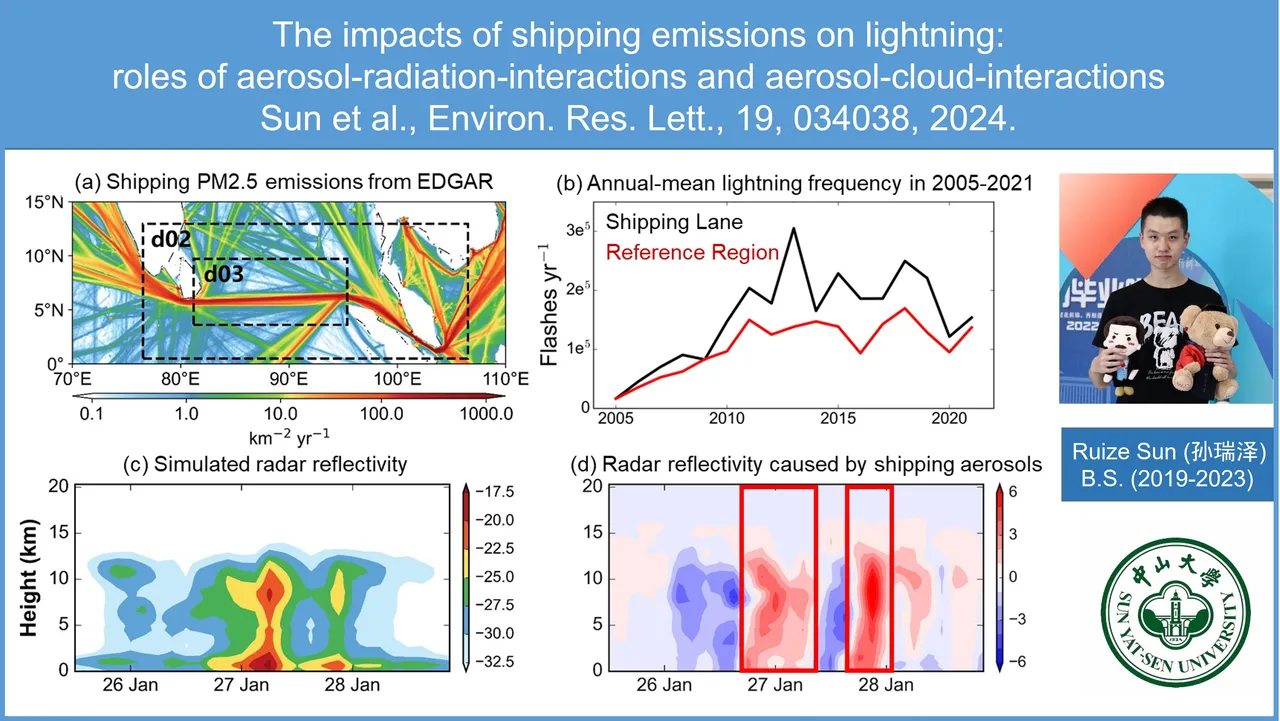
Air pollution, greenhouse gas emissions, and climate change are tightly coupled. Weather and climate alter natural emissions, transport, and chemical processes, while ozone, methane, aerosols, and other atmospheric constituents influence radiation, clouds, precipitation, and ecosystems, and further affects clean energy. By using Earth system models that couple climate, chemistry, and ecosystems, our research clarifies these interactions and supports integrated responses to clean-air and climate challenges.

Numerical models connect observations, emissions, chemical mechanisms, and climate processes, making them essential for understanding air pollution and climate change, evaluating policy scenarios, and predicting air quality. Yet these systems are highly complex and some processes remain difficult to parameterize. Our research advances atmospheric chemistry modules in Chinese Earth system models and applies machine learning to constrain atmospheric composition, improve forecasts, correct model mechanisms, and develop new parameterizations.


From postdocs to students, team members jointly advance research on air quality, greenhouse gases, and atmospheric chemistry modeling.
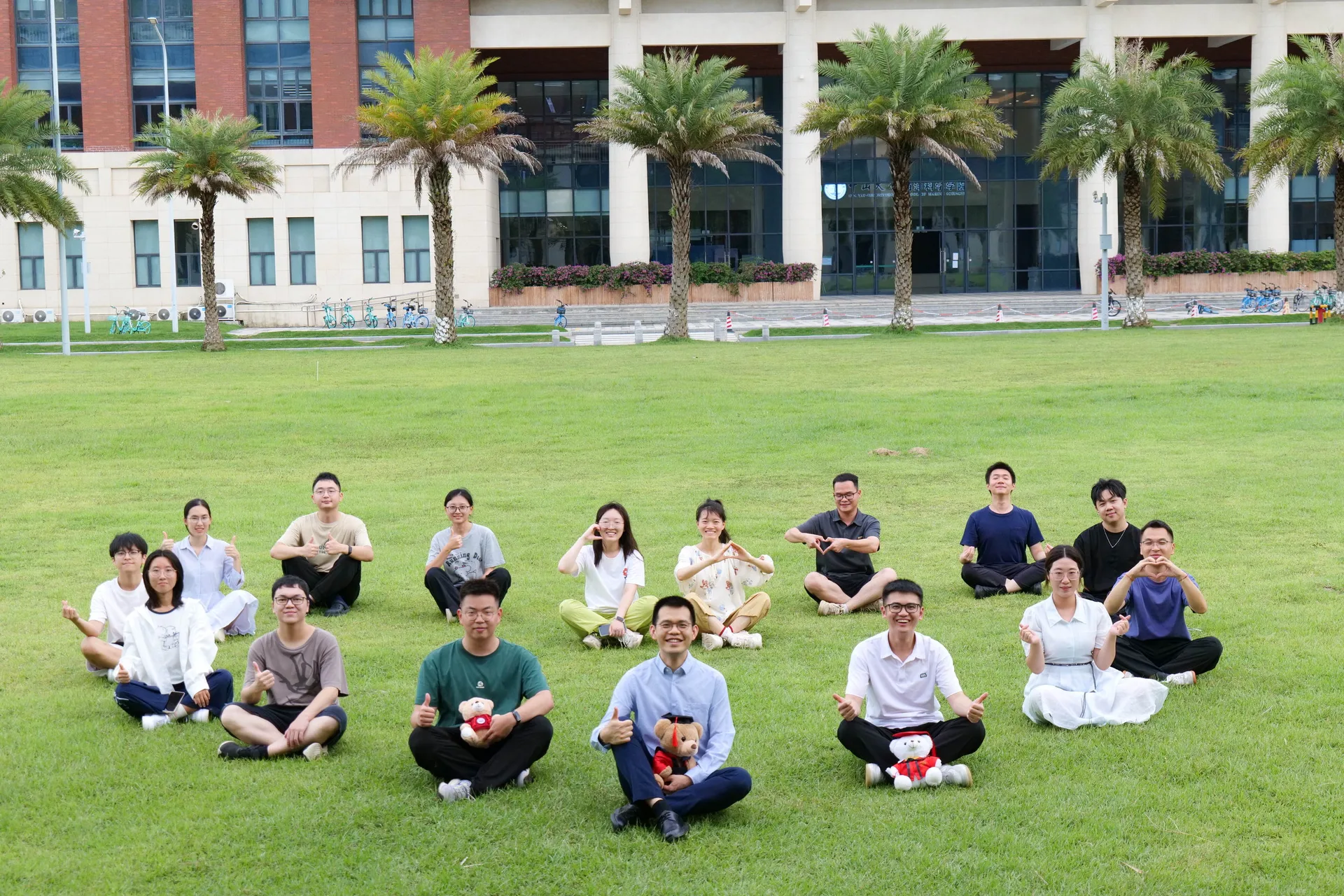

Professor and PhD Supervisor, School of Atmospheric Sciences, Sun Yat-sen University
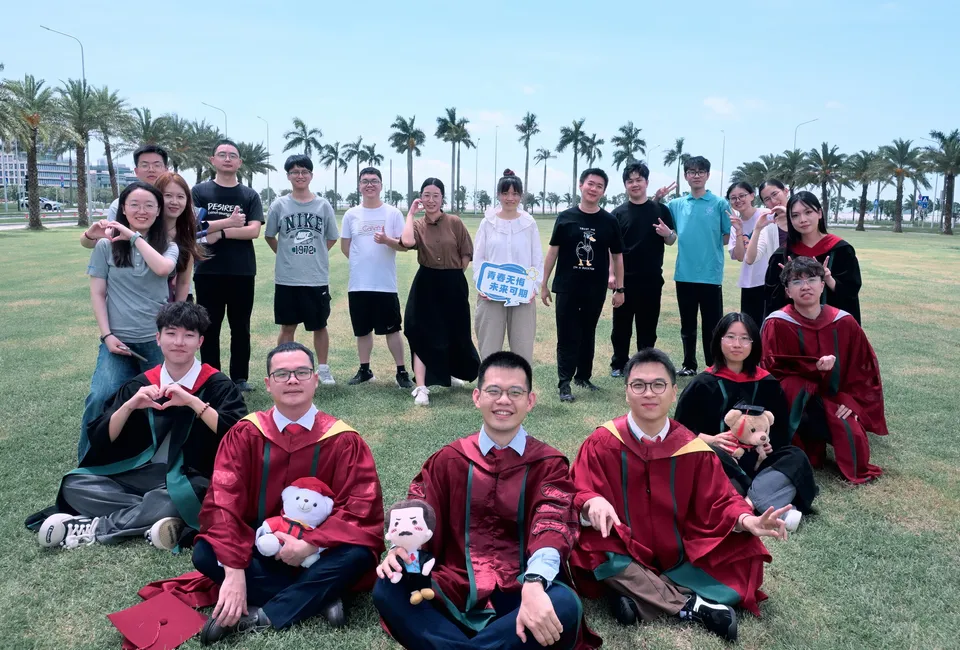
2026, Congratulations on your graduation!
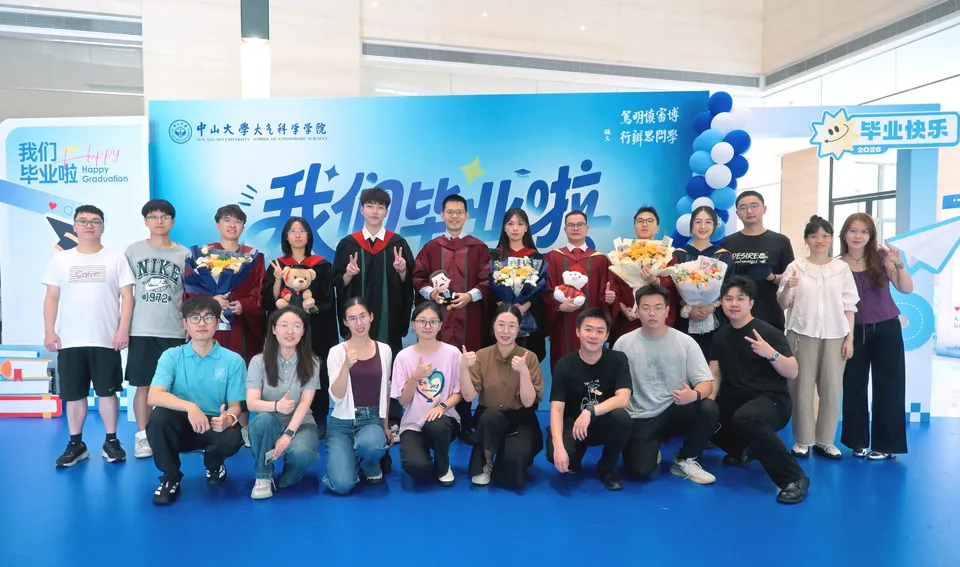
2026, Congratulations on your graduation!
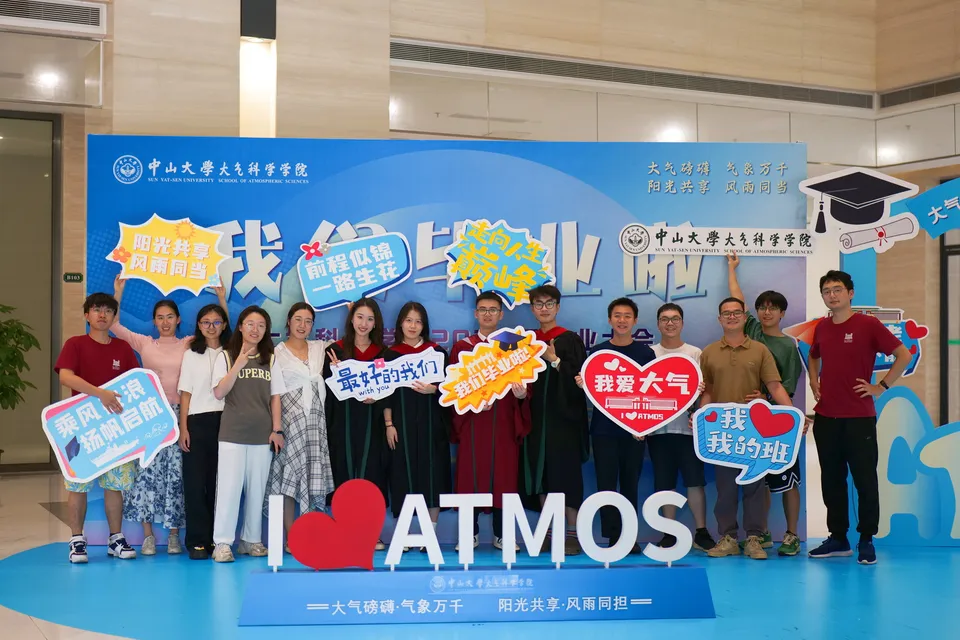
2025, Congratulations on your graduation!
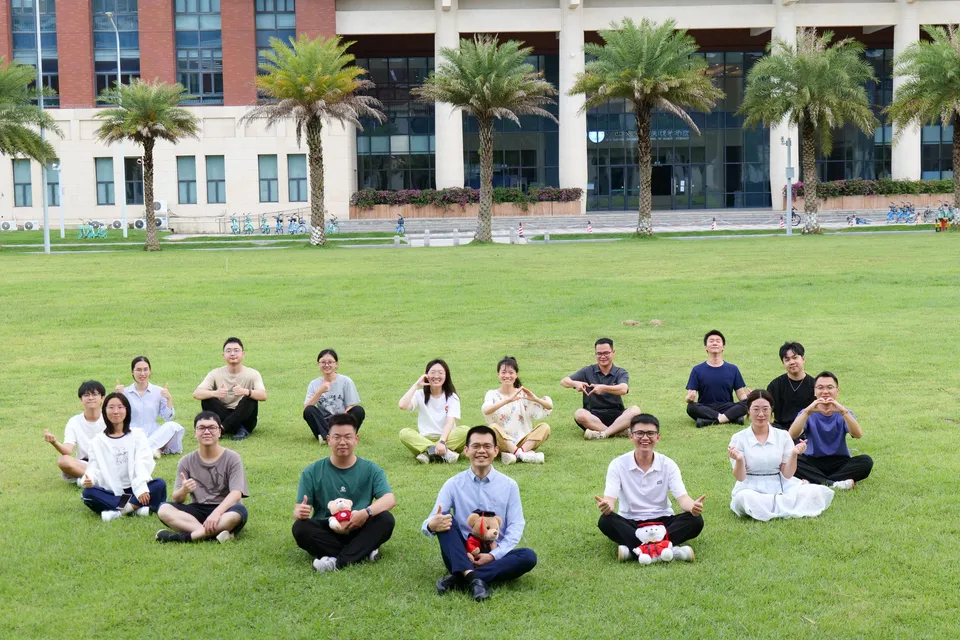
2025, Congratulations on your graduation!
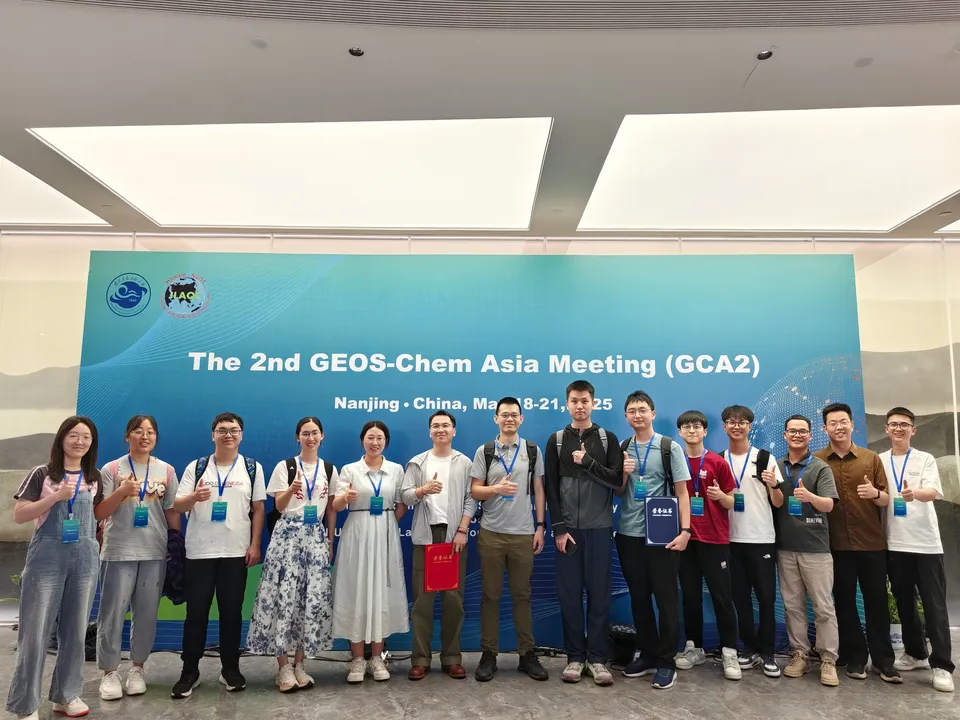
The team traveled together to Nanjing to attend the academic conference.
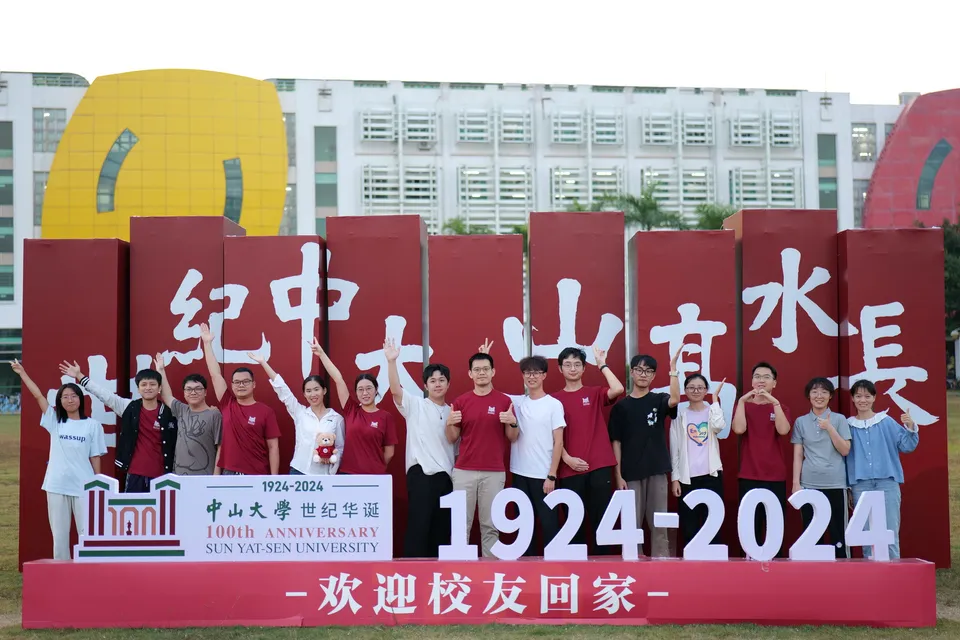
Sun Yat-sen University, Centennial Anniversary
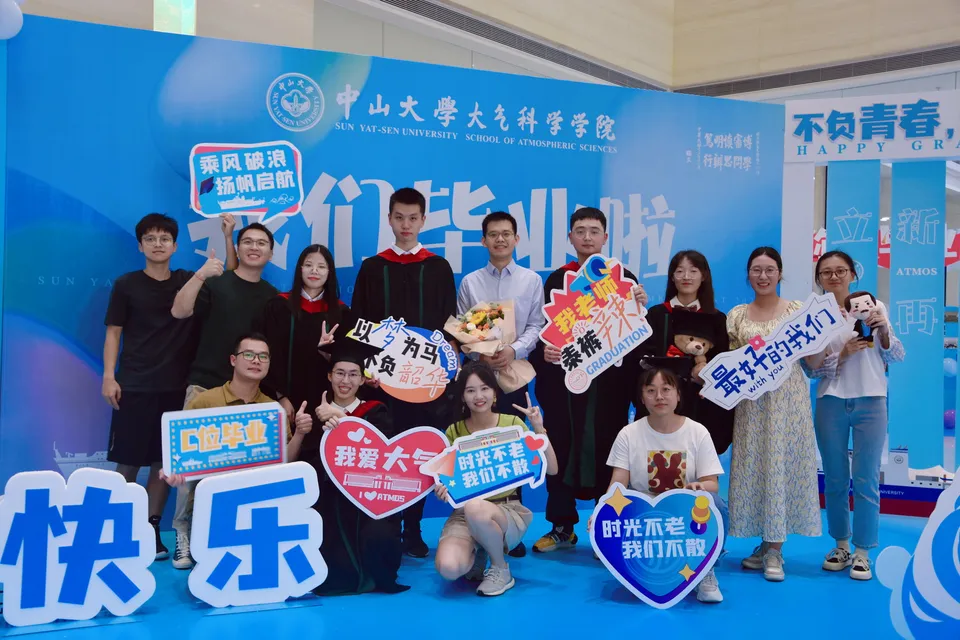
Congratulations on your 2023 graduation!

Congratulations on your 2023 graduation!
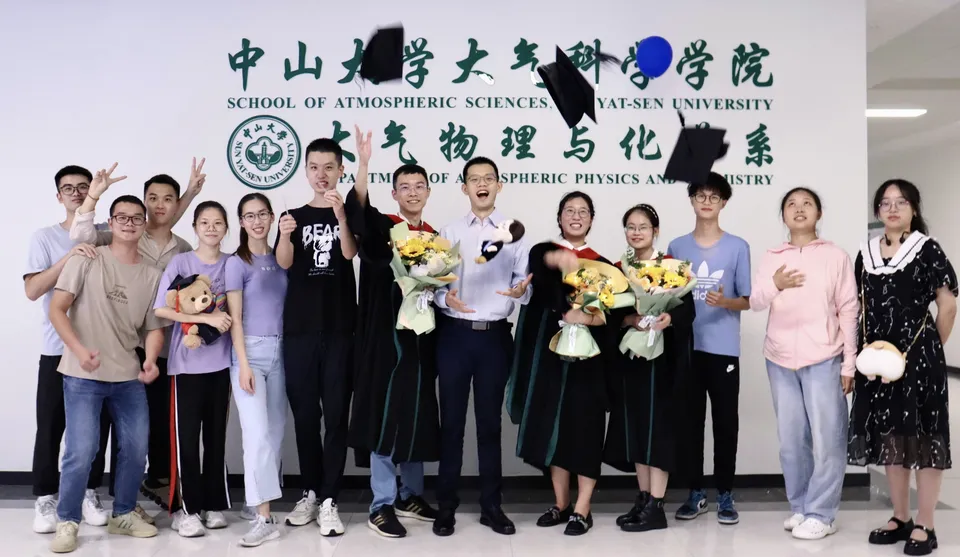
Congratulations on your graduation in 2022!
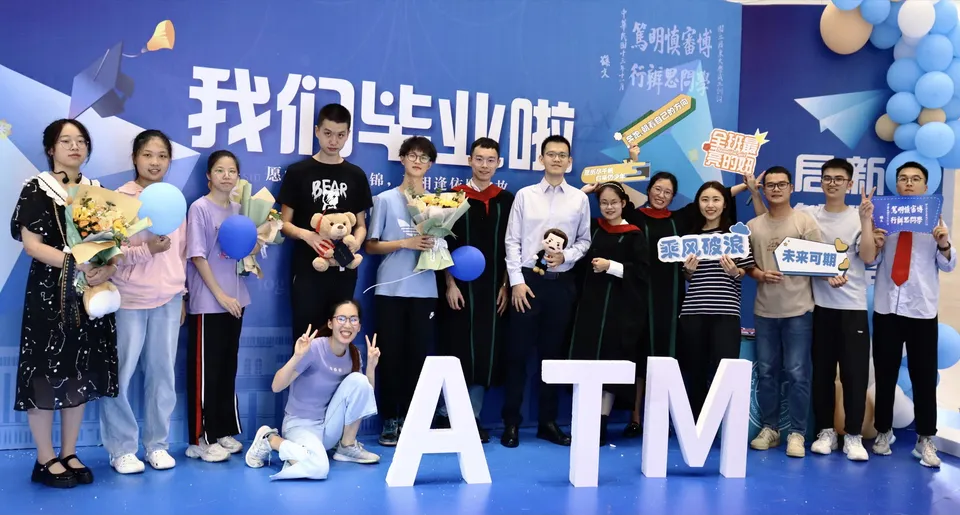
Congratulations on your graduation in 2022!
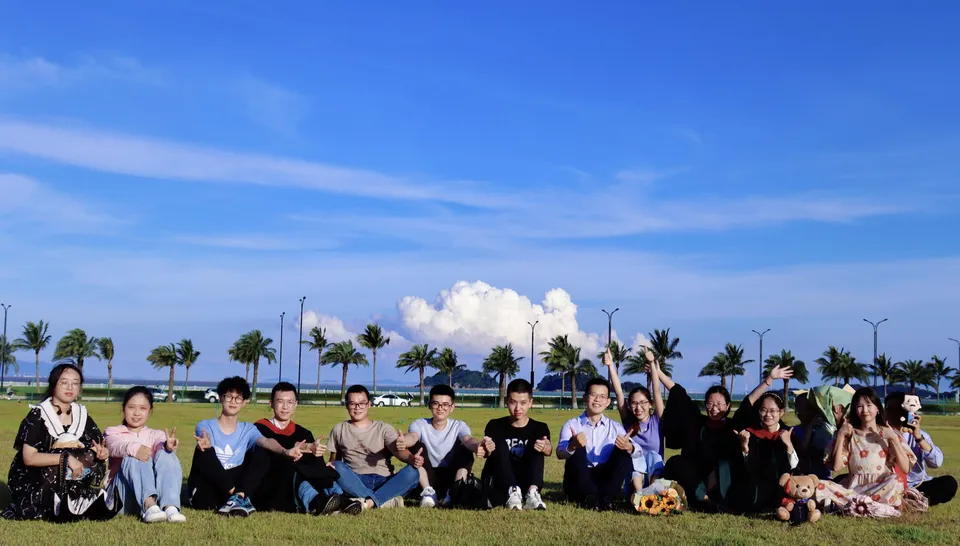
Congratulations on your graduation in 2022!

2026, Congratulations on your graduation!

2026, Congratulations on your graduation!

2025, Congratulations on your graduation!

2025, Congratulations on your graduation!

The team traveled together to Nanjing to attend the academic conference.

Sun Yat-sen University, Centennial Anniversary

Congratulations on your 2023 graduation!

Congratulations on your 2023 graduation!

Congratulations on your graduation in 2022!

Congratulations on your graduation in 2022!

Congratulations on your graduation in 2022!
This page records the research group's publications, personnel updates, and research activities.
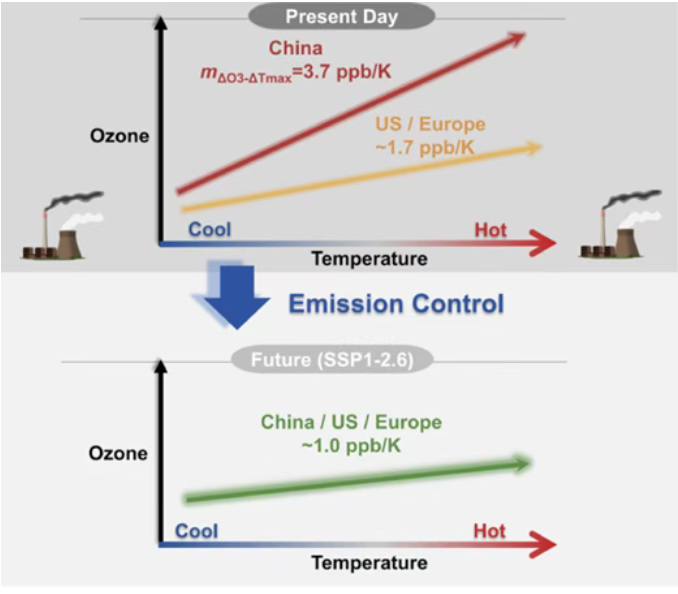
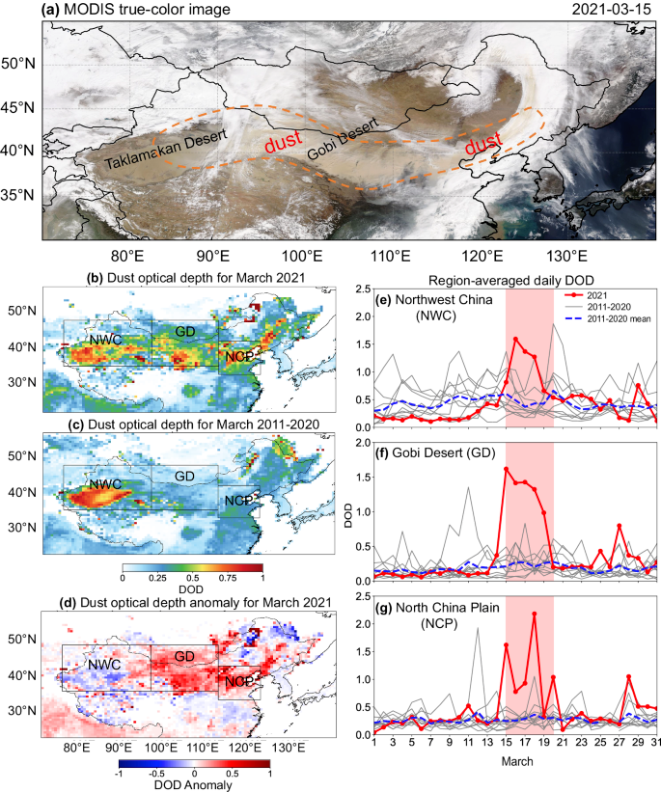
《通讯-地球与环境》在线发表中山大学卢骁教授、伊炳祺副教授与国内外多个团队的合作研究成果。
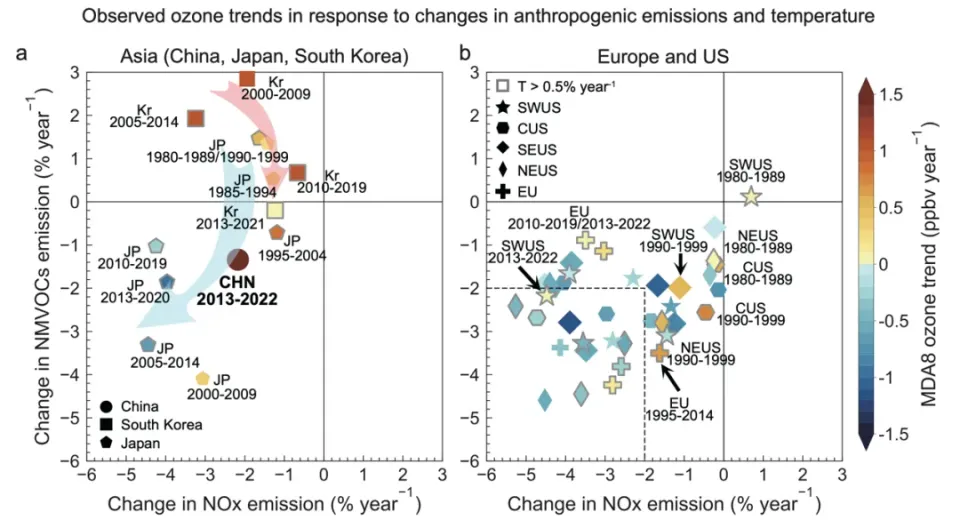
《国家科学评论》在线发表中山大学卢骁副教授、范绍佳教授和北京大学张远航院士等与国内外多个团队的合作研究成果。
清华大学碳中和研究院Institute for Carbon Neutrality, ICON
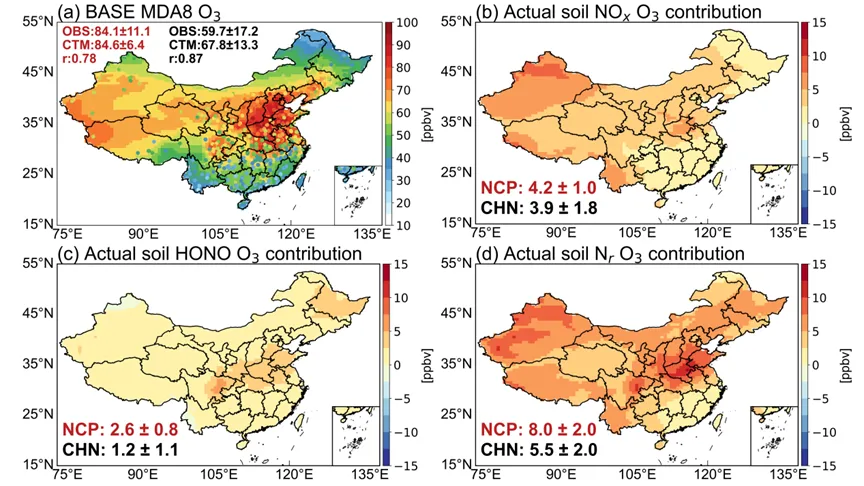
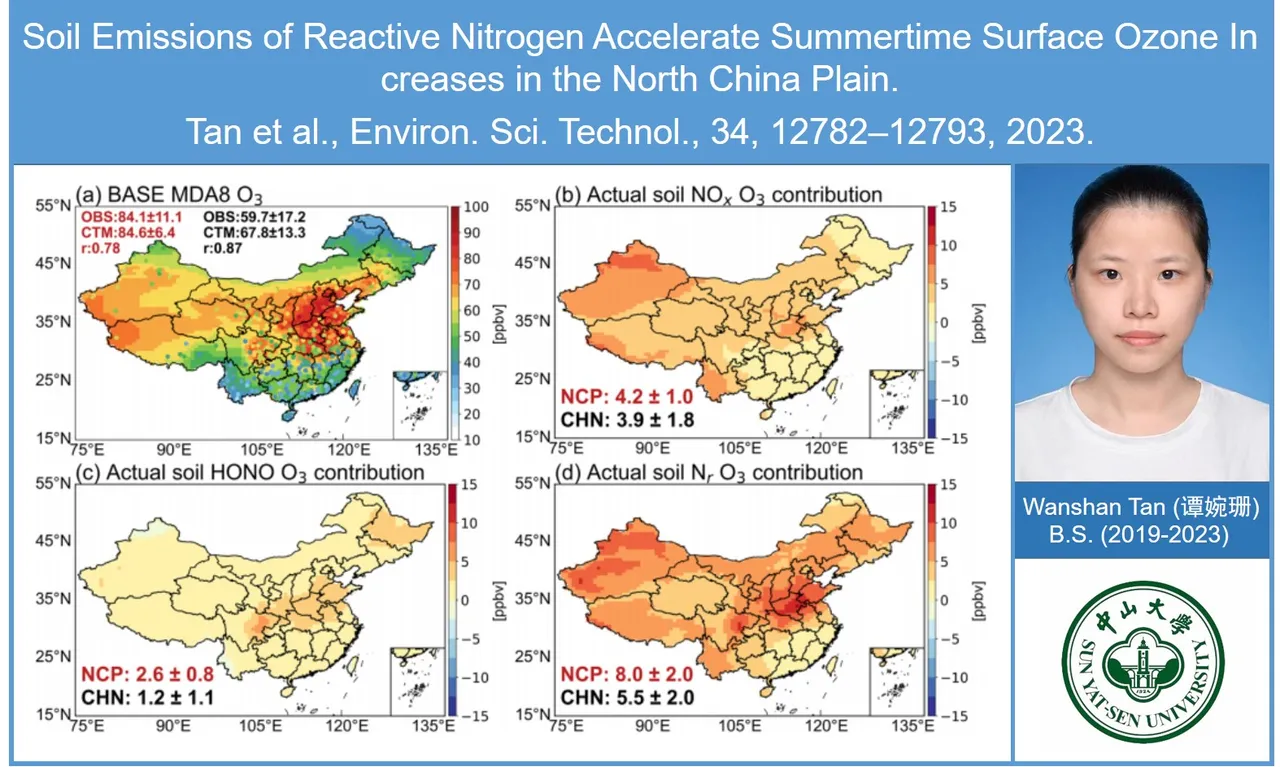
第一作者:谭婉珊 通讯作者:卢骁 副教授 论文DOI: 10.1021/acs.est.3c01823 图文摘要 成
Summary pending review from source article.
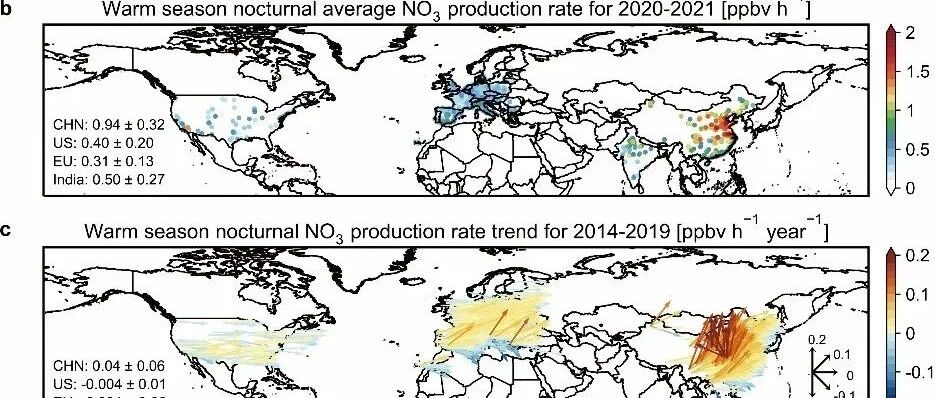
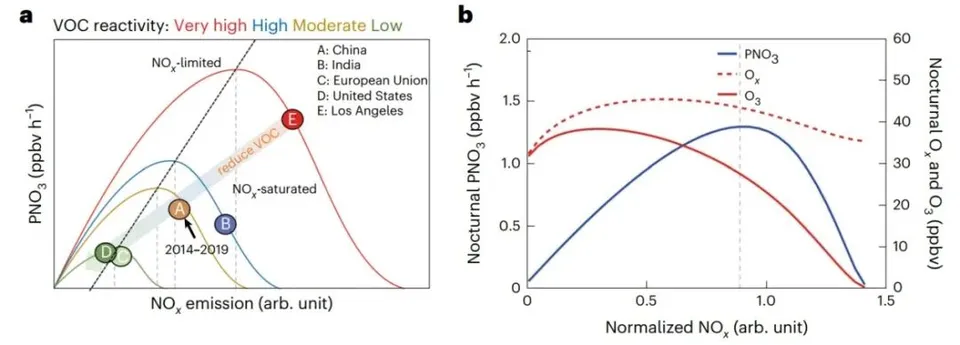
近日,我院范绍佳教授领衔的南海及周边地区大气环境研究团队与国内外研究团队合作,系统评估了2014年至2021年全球近地面NO3自由基的生成速率和趋势。
View the latest representative papers published by our team in various research directions.

Featured
Our team
Featured
Our team
Featured
Our team
Featured
Our team
Featured
Latest
Our team
Featured
Latest
Our team
Featured
Latest
Our team
Featured
Latest
Our team
Featured
Our team
Featured
Our team